Pillar Guide
Should you close vents in unused rooms? (HVAC myth check)
No, you should not close vents in unused rooms. Closed vents increase duct pressure, stress the blower, can crack heat exchangers on older furnaces, freeze AC coils in summer, and grow mould in closed-off rooms. The proper solutions for room-by-room control are zoning, smart vents, ductless mini-splits, and proper duct balancing.
No, you should not close vents in unused rooms. Closed vents don't save the furnace energy or money — they increase duct pressure, reduce overall airflow, stress the blower motor, create cold/hot pockets, and on older systems can crack the heat exchanger over time. The intuition feels right (why heat a room nobody's in?) but the HVAC system was designed around a fixed amount of duct surface area carrying a fixed amount of air. Closing vents doesn't turn off the heat going to those rooms — it just redirects the airflow against the duct walls and through any leaks in the duct system, which mostly end up in unconditioned spaces. The right answer for room-by-room temperature control is zoning with dampers, not closing registers.
This is one of the most common HVAC questions we get asked, and the answer that gets repeated online — "yeah just close them, saves money" — has been repeated for decades despite being mechanically wrong. This guide walks through the physics of why closing vents backfires, the rare exceptions where it's acceptable, and the proper alternatives if you want room-by-room control.
The short version: closed vents do this
| What people think happens | What actually happens |
|---|---|
| Furnace heats less because rooms are closed | Furnace heats the same amount; airflow gets redirected |
| Less air = less work for the blower | More air pressure = more strain on the blower |
| Bills go down | Bills usually stay the same or go up (leakage, longer cycles) |
| Unused rooms stay closed off | Adjacent rooms become uneven; mould risk rises in closed rooms |
| Equipment lasts longer | Equipment wears faster from elevated static pressure |
The reason this myth persists is that closing vents feels like it should work — it's how a hose works (close a tap, less water flows). HVAC systems aren't hoses. They're sealed-air-pressure systems with a fixed blower output, and closing vents fights the system rather than turning it down.
How a forced-air HVAC system actually works
Understanding why closing vents backfires requires understanding what the system was designed to do.
The basics:
- The furnace blower moves a specific volume of air per minute (CFM — cubic feet per minute), set by the blower motor speed and the system's static pressure rating
- That air gets pushed through supply ducts, out the supply registers, into rooms
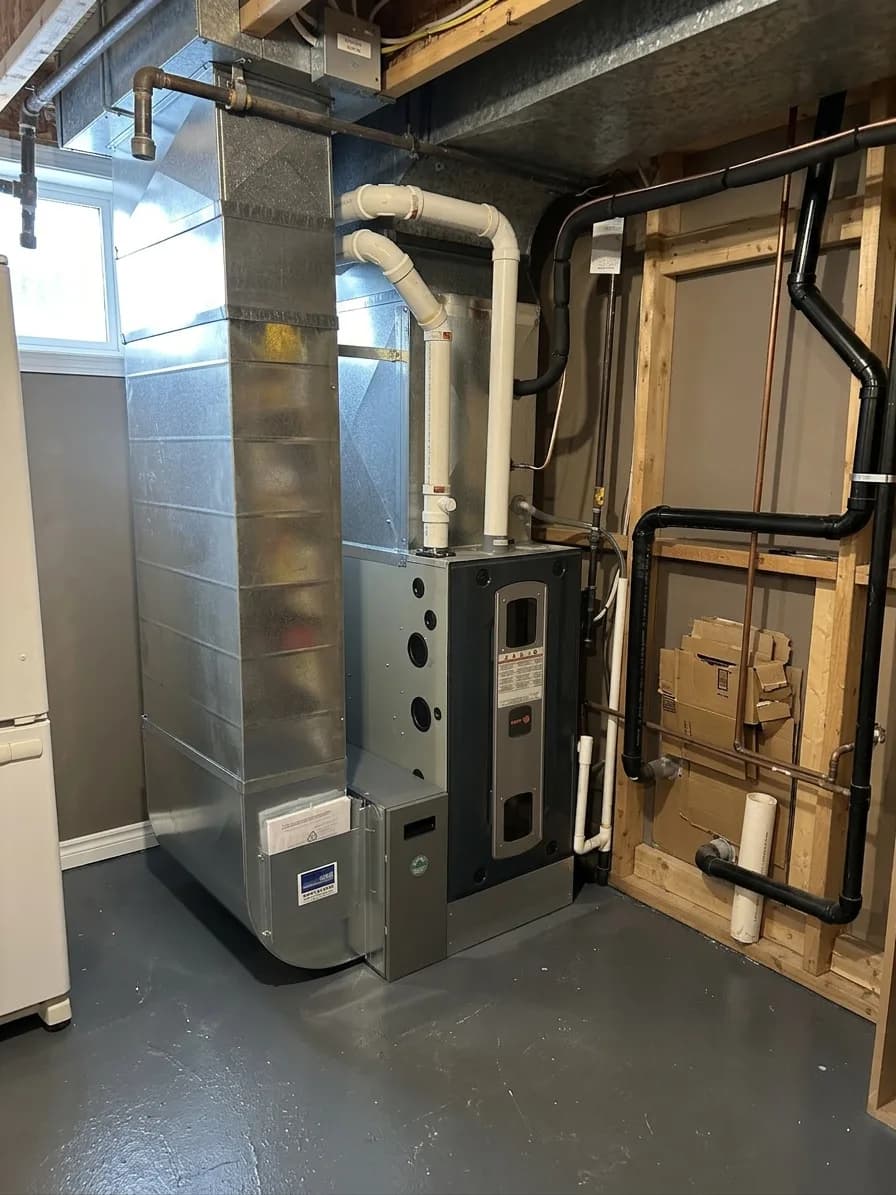
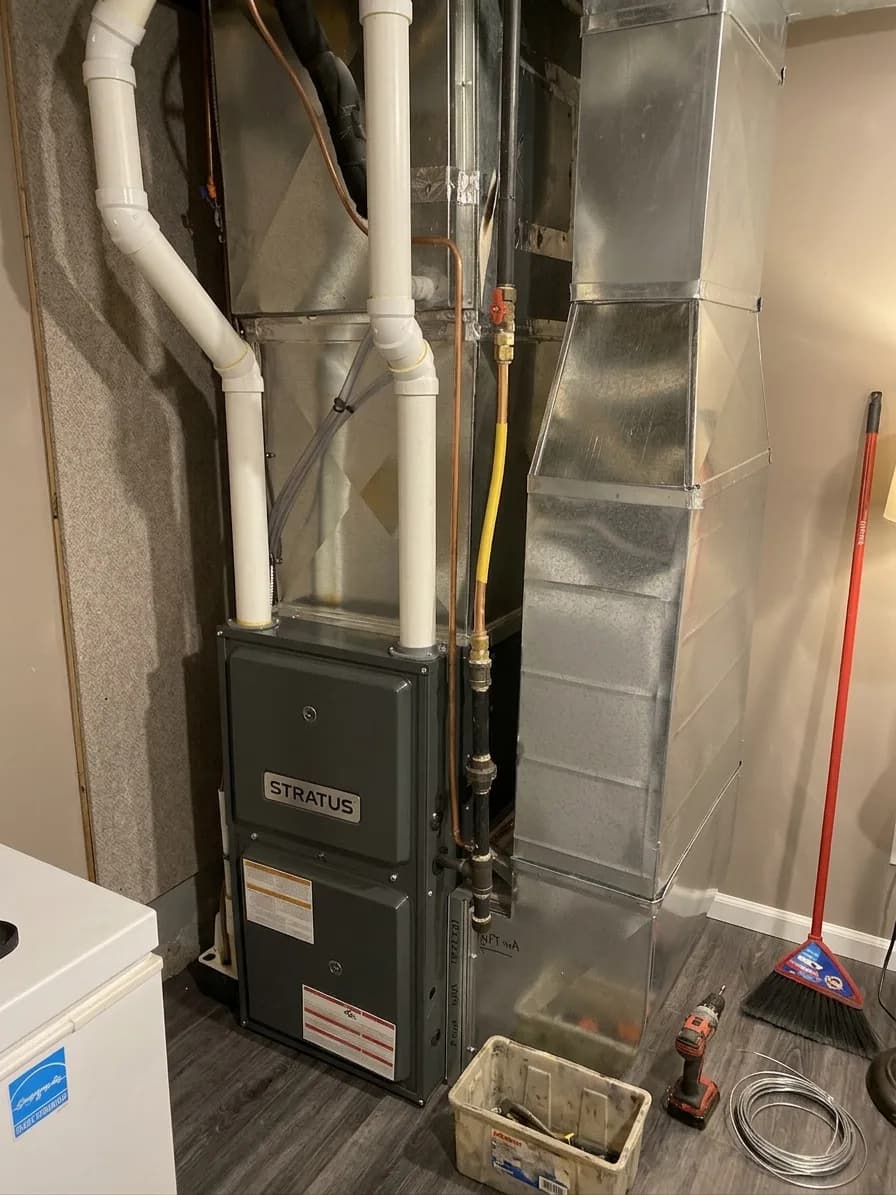
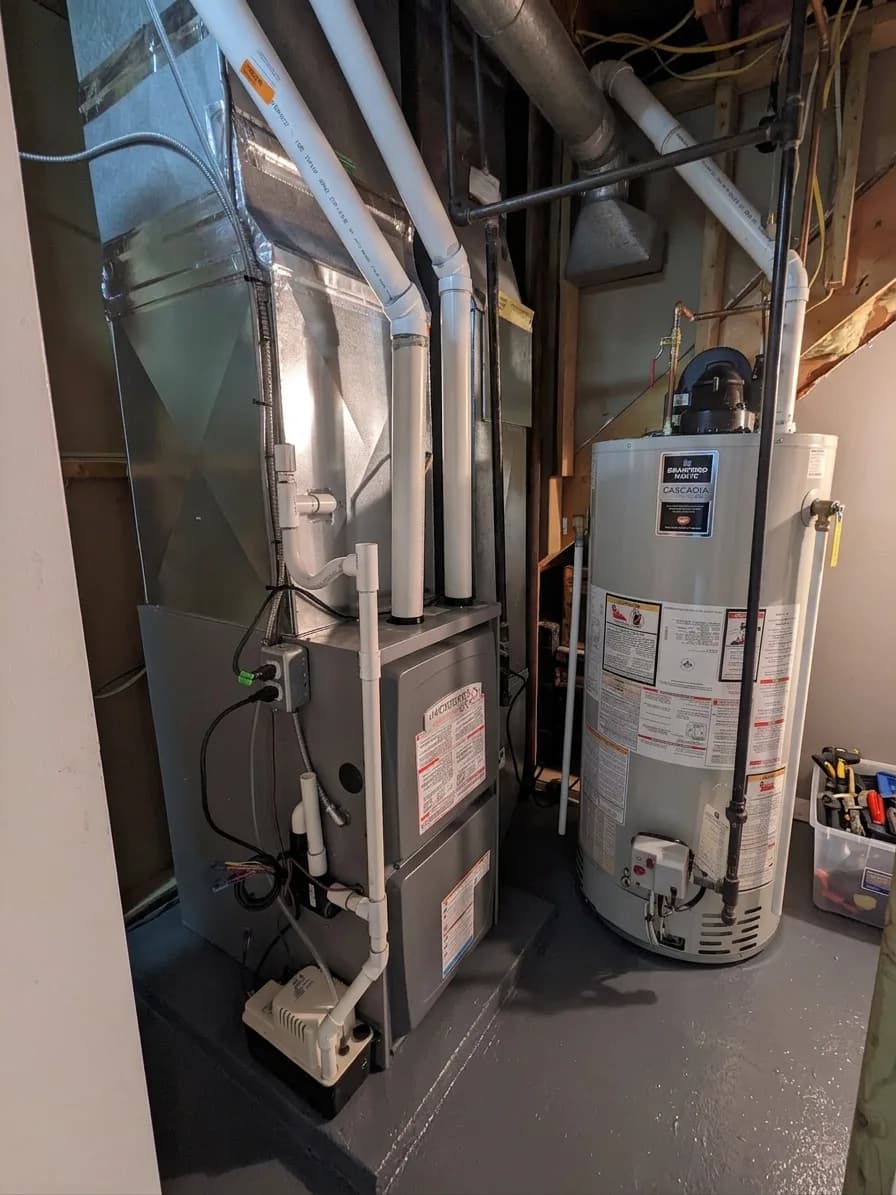
- The air returns through return registers (the bigger grilles, usually in hallways or central locations) back to the furnace to be reheated or recooled
- The ducts are sized for the blower output — too small and pressure builds; too large and the air loses velocity
When the system is "balanced" (a properly-installed system is), the right amount of air goes to each room, the static pressure stays in the manufacturer's rated range, and the blower runs at the design CFM.
What closing a vent does:
When you close a supply register, the blower is still pushing the same amount of air down the duct. The air has to go somewhere. Three things happen:
- Static pressure rises in the supply duct system. The same volume of air is now trying to flow through less open surface area. The pressure builds.
- Air leaks through every duct seam. Most duct systems leak 20-30% even when "tight." When pressure rises, leak rate rises. The leaked air goes into wall cavities, ceiling joists, attic, crawlspace — all unconditioned spaces.
- The blower works harder. Higher static pressure means the blower motor draws more current, the bearings wear faster, and on PSC (older) motors the airflow can actually drop because the motor can't overcome the resistance.
The net result: about the same heating capacity is delivered, but more energy is used to deliver it, more air is lost to leakage, and the equipment is stressed.
Why this myth keeps spreading
A few reasons closing vents continues to feel like a money-saver:
The closed room does get colder. This is true — the room with the closed vent gets less direct heat, so it's cooler. But the heat that would have gone to that room doesn't disappear; it gets pushed into the rest of the house or leaks into wall cavities. Net heating output is similar.
Generic energy-saving advice from 50 years ago repeats. Pre-1990s residential HVAC equipment was less sensitive to static pressure variations. The advice "close unused vents to save energy" was barely true on PSC blower systems, mostly false on modern ECM blower systems, and has been wrong for tightly-engineered modern equipment for decades.
The bill goes down by 1-2% sometimes. Coincidental — usually the same homeowner who closes vents also turned the thermostat down, or this winter was milder than last. Comparing year-over-year HVAC bills with constant degree-day adjustment usually shows no meaningful savings from vent closure.
Risk #1: Heat exchanger damage on older furnaces
This is the most concerning consequence on older equipment. Closing too many vents drops the return airflow over the heat exchanger below the manufacturer's rated minimum. The heat exchanger then runs hotter than spec.
Over time:
- Repeated overheating cycles cause metal fatigue
- The heat exchanger develops stress cracks
- Cracked heat exchangers can leak carbon monoxide into supply air
Modern variable-speed furnaces are more tolerant of pressure variations because the blower modulates to maintain CFM. Single-stage PSC blower furnaces (pre-2010 typical) are less tolerant. If your furnace is 15+ years old and you've been closing vents for years, the cumulative damage is real.
See our furnace not heating checklist for what cracked heat exchangers look like in practice — they're one of the unrepairable failures that pushes a furnace into immediate replacement.
Risk #2: AC coil freezing
In summer, the same airflow restriction can freeze the indoor AC coil. The cooling coil produces cold by absorbing heat from the air passing over it. When that air volume drops below spec, the coil temperature drops below freezing, condensation freezes onto the coil, ice builds up, and eventually the AC shuts down.
For more on AC airflow issues, see our AC not cooling troubleshooting guide.
Risk #3: Mould in closed-off rooms
A room with a closed supply vent doesn't get the dehumidified, conditioned air the rest of the house gets. In humid summer weather, the room develops localized humidity higher than the rest of the home. Cold corners (against an exterior wall) become condensation points. Mould grows.
This is more of a summer issue than a winter one, but it's real. The closed-off basement bedroom that nobody uses but has a closed supply vent is a classic mould-in-Ontario story.
Risk #4: Duct leakage and energy loss
Modern building science estimates that typical residential ducts leak 20-30% of conditioned air even when "professionally installed." Closing vents raises duct pressure, which proportionally raises leak rate.
The air that leaks doesn't go nowhere — it goes into wall cavities, ceiling spaces, attic, basement, crawlspace. If your home is well-insulated, some of that lost air still indirectly warms (or cools) the space. If you have an unconditioned attic or crawlspace, the lost air is just gone.
Sealing ducts (with mastic, not duct tape — counterintuitively, duct tape isn't suitable for ducts) is a much better energy investment than closing vents.
When closing a vent IS okay
A few specific situations where partially or fully closing a vent doesn't cause the problems above:
1. The room has its own zoning damper. Some homes have multi-zone systems with motorized dampers in the supply ducts. Closing the vent at the register and the damper in the duct as a coordinated zone shutoff is fine — that's exactly what zoning is for. The blower modulates and the system handles the closed zone properly.
2. You're partially balancing airflow, not fully closing. Adjusting a vent from 100% open to 70% open in a room that gets too much heat (small bathroom, room over a garage with extra heat sources) is fine. The system can absorb modest balancing adjustments without going out of spec.
3. The vent is in a finished basement room you never use AND your furnace is variable-speed AND you've confirmed with your installer it's tolerable. Niche, narrow, requires explicit confirmation. Most homes don't qualify.
4. Temporary closure during renovation. Closing vents in a room being renovated to keep dust out of the duct system is fine for a few weeks. Open them when the work is done.
What doesn't qualify as okay:
- Closing every vent in the upstairs because you don't use the bedrooms during the day
- Closing all vents in the basement because it's a finished basement you "don't need to heat"
- Closing vents in 3+ rooms simultaneously
- Closing every vent except the one in the room you're in
The proper alternatives for room-by-room control
If your actual goal is room-by-room temperature control, the right solutions are:
1. Multi-zone HVAC with motorized dampers. Existing forced-air systems can be retrofit with zoning hardware — a separate thermostat per zone, motorized dampers in the supply ducts, and a controller that coordinates blower speed with damper position. Retrofit cost: $2,500-$5,500 for a 2-zone setup in a typical 1,800 sq ft home, $4,500-$9,000 for 3-zone. Works well but it's an investment.
2. Smart vents (Flair, Keen). These are battery-powered motorized registers that drop into the existing vent slot and open/close based on a separate hub. Cost: $80-$150 per vent. Important caveat: these still create the static pressure issues if you close too many simultaneously. The Flair / Keen ecosystem includes a pressure sensor to prevent overclosing, but the implementation isn't perfect. Better than manual closure but not as clean as proper zoning.
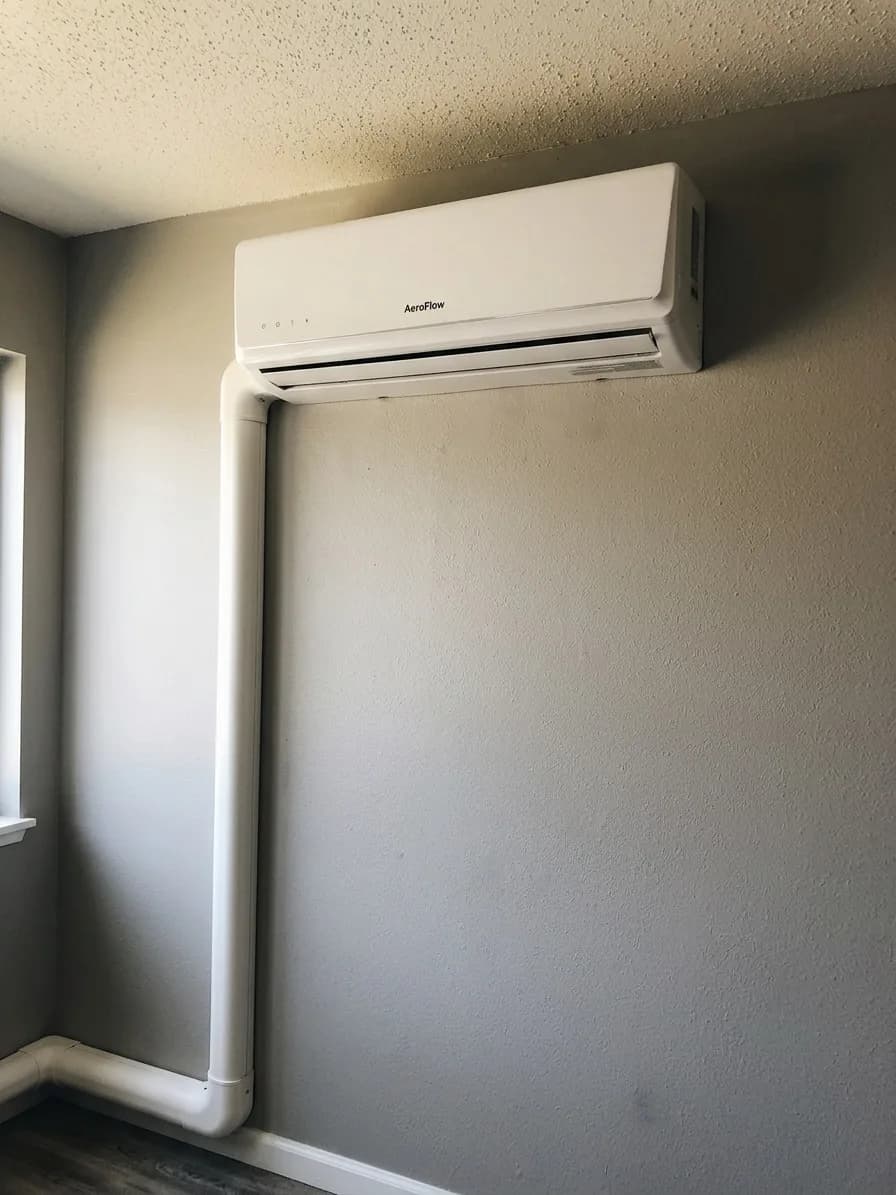
3. Ductless mini-splits in problem rooms. A finished basement that's always cold, a sunroom that overheats in summer, an addition that the existing system can't reach — these are good cases for a single-zone ductless mini-split. Independent of the main system, gives you real per-room control. See our ductless mini-split vs central AC guide.
4. Smart thermostat scheduling. Less granular than zoning but useful for whole-house "away" periods. Set the temperature lower during work hours, higher when home. See our smart thermostat buying guide.
5. Better balancing of the existing system. Sometimes the problem isn't "I need to close some vents" but rather "the system was never properly balanced." A balancing visit (90-120 minutes, $200-$400) measures airflow at each register and uses dampers in the supply trunk to adjust flow distribution without changing the load on the blower.
For most Oxford County homes, option 5 (proper balancing) followed by option 4 (smart thermostat scheduling) covers most of the actual complaints without requiring expensive zoning hardware.
The short answer for typical scenarios
| Scenario | Should you close the vent? |
|---|---|
| Guest bedroom you use 4× per year | No — modest partial closure (to 70%) is okay; full closure isn't |
| Finished basement nobody uses daily | No — closure causes mould risk; ductless mini-split is the right solution if you want to actively skip heating it |
| Bathroom that's too hot from the supply vent | Yes — partial closure (to 50-70%) is fine for one register |
| Bedroom that's too cold | No — opening other registers doesn't help; the fix is balancing or duct work |
| Multi-zone home with motorized dampers | Yes, in coordination with the damper |
| Sunroom that overheats | No — it's a separate cooling problem; consider a mini-split or shading |
| Room used by elderly family member | No — close that vent and it gets too cold; the rest of the system isn't calibrated for it |
| Storage room | Partial (50%) okay; full closure not |
Common questions
My contractor told me to close vents in unused rooms. Should I?
Get a second opinion. Some contractors give this advice out of habit from older HVAC eras. The current consensus from ACCA (Air Conditioning Contractors of America) and most manufacturer documentation is that vent closure is harmful to system longevity and doesn't save meaningful energy.
What about closing vents in the basement to save money?
Same issue — closing several basement vents simultaneously raises static pressure significantly. If you genuinely don't want to heat the basement, the right answer is either zoning with dampers, a ductless mini-split, or a thermostat-controlled register in a hybrid setup.
Is it bad to partially close a vent?
No, partial closure (down to 60-70% open) is fine on most modern systems. It's when you close multiple vents fully that the pressure issues compound. Use partial closure for balancing, not as a switch.
Does closing the vent at the register also stop air from leaking out of the supply duct?
No — the duct itself still has the same internal pressure. The air that would have come out the register is now pushed against the duct walls (potentially through any leaks) until it finds another open register.
Should I close the damper at the duct, not the register?
If your supply ducts have manual dampers (small handles on the ductwork itself, usually near where the duct branches off the main trunk), partial damper adjustment can be used for balancing. It's the same physics as a register damper but slightly less restrictive at small adjustment levels.
Can I close the vent in the room I'm sleeping in if I want it cooler?
For one room temporarily, partial closure is fine. Fully closing one vent in a five-vent house typically doesn't cause system-wide pressure issues. Be aware that the air will redirect to other rooms — your neighbour room may now run hotter.
Will closing vents cause my furnace to fail completely?
Not from a single season's closure. The cumulative effect over years matters more than a single winter. A 20-year-old furnace that's had its vents partially closed for 10 years is more likely to have heat exchanger issues than one that hasn't.
What about smart vents like Flair or Keen? Are they safe?
Better than manual closure because they include pressure sensors and don't close all vents simultaneously. But they're still not as clean as proper zoning with dampers and a multi-zone controller. They work well as a step up from manual closure; they don't replace true zoning.
What we'd recommend instead
If you're looking for better room-by-room temperature control, the order we'd suggest:
- Get the existing system properly balanced first — often the real fix is duct-level balancing, not vent closure
- Add a smart thermostat for time-based scheduling — see our smart thermostat buying guide
- For problem rooms, consider a ductless mini-split — independent cooling/heating without fighting the main system
- For larger control needs, look at proper multi-zone retrofit — investment but works
The vent-closure path saves nothing and causes wear over time. The alternatives above cost more upfront but deliver actual room-by-room control without stressing the equipment.
Ready to talk about better room control?
We can assess your current setup, balance the existing duct system, recommend ductless mini-splits for problem rooms, or quote multi-zone retrofits where the home calls for it. No pressure to overspec — sometimes the answer is just balancing and a smart thermostat.
Request a quote or read more on furnace repair service, furnace short cycling causes, air conditioning service, and ductless mini-split vs central AC. Service area: Woodstock + 30-minute radius covering Ingersoll, Tillsonburg, Tavistock, Norwich, Embro, Innerkip, Thamesford, Beachville, Salford, Mount Elgin, Burgessville, and Plattsville. Same-day service when scheduling allows.
Common Questions
Frequently asked
Should I close vents in unused rooms to save money?
No. Closed vents don't reduce the heat being produced — they redirect airflow against the duct walls, increasing static pressure, stressing the blower motor, increasing duct leakage to unconditioned spaces, and creating uneven heat distribution. The bills usually stay the same or go up, and equipment wears faster.
Can closing vents damage my furnace?
Yes, especially on older furnaces. Closing too many vents reduces airflow over the heat exchanger below the manufacturer's rated minimum, which causes the heat exchanger to overheat. Repeated overheating cycles cause metal fatigue and stress cracks. Cracked heat exchangers can leak carbon monoxide and require furnace replacement.
Is it bad to partially close a vent?
No, partial closure (down to 60-70% open) is fine on most modern systems for balancing airflow. The problems happen when you fully close multiple vents simultaneously — that's when static pressure builds and the system goes out of spec. Use partial closure for balancing one or two rooms, not as an on-off switch.
What's the right way to skip heating an unused room?
Proper solutions: multi-zone HVAC with motorized dampers ($2,500-$5,500 for 2-zone retrofit), smart vents like Flair or Keen ($80-$150 per vent, includes pressure sensors), a ductless mini-split for the problem room ($4,000-$6,500), or properly balancing the existing system ($200-$400 service visit).
Does closing the vent at the register also stop air from leaking out of the duct?
No. The duct itself still has the same internal pressure. Air pushes against the duct walls until it finds another open register — and any leaks along the way release conditioned air into wall cavities, ceiling spaces, or unconditioned attic. Closing the register doesn't 'turn off' the air going to that area.
What about smart vents like Flair or Keen?
Better than manual closure because they include pressure sensors and don't close all vents simultaneously. But they're still not as clean as proper multi-zone HVAC with dampers. They work as a step up from manual closure; they're not a true replacement for proper zoning.